
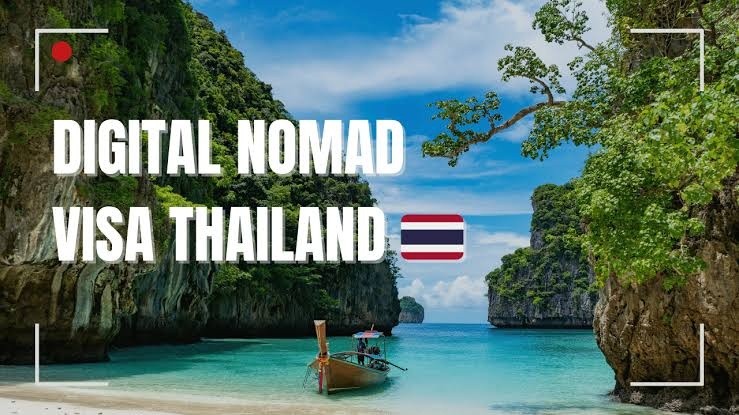
The introduction of Thailand’s Long-Term Resident (LTR) Visa represented a major shift in the country’s approach to attracting skilled foreign talent. Unlike traditional tourist or business visas, the LTR Visa is specifically designed for remote workers, retirees, and high-potential professionals who want to base themselves in Thailand long-term.
Comparing Nomad Visa Options in Thailand
Thailand now offers several visa options suitable for digital nomads, including tourist visas with extensions, education visas, business visas, the LTR Visa, and the Thailand Privilege Card. Each has different requirements, costs, and benefits, so comparing them carefully against your personal situation is important.
Setting Up as a Freelancer in Thailand
Freelancers choosing Thailand as their base need to understand the distinction between working for overseas clients versus working locally. Foreigners are generally not permitted to work for Thai companies without a proper work permit, but earning income from foreign sources while residing in Thailand is common and widely accepted.
Internet Connectivity for Nomads
Thailand’s internet infrastructure has improved dramatically in recent years. True Move H, AIS, and DTAC offer 4G/5G mobile data at very competitive prices. Fixed fiber connections through providers like True and AIS Fiber are available in most urban and suburban areas, offering speeds sufficient for video conferencing and cloud work.
Community and Networking Opportunities
Thailand’s digital nomad community is one of the most active in Southeast Asia. Regular meetups, hackathons, and online groups provide ample opportunities for networking. Platforms like Meetup.com and Facebook Groups connect nomads for both professional collaboration and social activities.
Internal Links:
→ Reserve Your Thailand Privilege Membership
→ Long-Term Visa Thailand Overview