
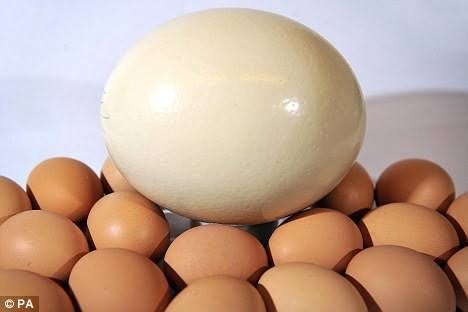
Finding an ostrich egg for sale can be an exciting experience for poultry enthusiasts, collectors, farmers, and people interested in raising unusual bird species. Ostrich eggs are famous for their impressive size, strong shells, and distinctive appearance. However, purchasing one requires careful consideration, especially when choosing between ostrich egg for sale eggs intended for consumption, decoration, or hatching. Selecting a reputable seller is essential for receiving a genuine product, obtaining accurate information, and ensuring that the purchase meets your expectations.
Whether you are interested in ostrich eggs for a farming project, an educational display, or incubation, understanding where to search and what to look for can help you make a confident decision.
Understanding Your Purpose Before Buying an Ostrich Egg
Before searching for an ostrich egg for sale, determine why you want to purchase one. Your intended use will influence the type of seller you need, the questions you should ask, and the quality standards that matter most.
Ostrich eggs are available for several purposes. Some buyers purchase infertile eggs for cooking, while others seek empty shells for artistic projects, decorative displays, or crafts. Breeders and poultry enthusiasts may be interested in fertile ostrich hatching eggs.
These categories should not be confused. An egg suitable for decoration may not be appropriate for food preparation, and a fertile egg is not guaranteed to hatch successfully. If your goal is incubation, you should look for a seller who specializes in breeding ostriches and can provide relevant information about fertility, collection, storage, and handling.
Establishing your requirements before contacting sellers makes the purchasing process more efficient and reduces the risk of receiving an unsuitable product.
Search for Established Ostrich Farms
One of the most reliable places to begin your search is an established ostrich farm. Farms that specialize in raising ostriches may offer eggs seasonally, depending on their breeding operations and local regulations.
Buying directly from a farm can provide several advantages. You may be able to learn about the birds, their living conditions, egg collection practices, and the farm’s experience with breeding. Direct communication also gives you an opportunity to ask detailed questions before making a purchase.
When evaluating an ostrich farm, look for evidence of consistent animal care, clean facilities, responsible breeding practices, and transparent business information. A professional seller should be willing to explain how eggs are collected, stored, packaged, and transported.
If possible, arrange a visit or request current photographs of the relevant facilities and products. However, photographs alone cannot prove that a seller is trustworthy, so consider them alongside other evidence.
It is also important to understand that ostriches do not necessarily produce eggs throughout the entire year. Availability may depend on climate, breeding cycles, the age of the birds, and the farm’s production schedule.
Explore Specialty Poultry Breeders
Specialty poultry breeders can be another useful source for buyers seeking ostrich eggs, particularly fertile eggs intended for incubation. These breeders may have experience managing large flightless birds and understanding their reproductive requirements.
A knowledgeable breeder should be able to explain the difference between fertile and infertile eggs and discuss the conditions necessary for successful incubation. They should also be realistic about hatch rates rather than promising that every egg will produce a healthy chick.
When contacting a breeder, ask about the parent birds, egg collection dates, storage conditions, and the methods used to assess fertility. You should also ask whether the seller has experience shipping eggs safely and whether any replacement or refund policy applies to damaged shipments.
A reputable breeder will understand that hatching outcomes depend on several factors, including egg quality, transportation conditions, incubation management, and embryo development.
Choose sellers who communicate clearly and avoid those who guarantee results that cannot reasonably be assured.
Consider Agricultural Markets and Local Farming Networks
Agricultural communities can help buyers discover legitimate ostrich egg suppliers. Local livestock associations, farming groups, poultry exhibitions, and agricultural events may introduce you to breeders or farms that sell ostrich products.
These networks can be particularly valuable in regions where ostrich farming is established but dedicated online listings are limited. Speaking with experienced farmers may help you identify suppliers with a history of responsible business practices.
Agricultural events also provide opportunities to ask questions about ostrich management, egg handling, and the practical requirements of keeping these birds.
However, a recommendation from another farmer should not replace your own checks. Confirm the seller’s identity, product availability, applicable permits, and payment terms before placing an order.
If you are purchasing an egg for hatching, make sure the supplier actually specializes in fertile ostrich eggs rather than simply selling ostrich products for food or decoration.
Evaluate Online Ostrich Egg Sellers Carefully
Online marketplaces and specialist agricultural websites can make it easier to find ostrich eggs from sellers located in different regions. They may provide product descriptions, prices, photographs, shipping information, and customer reviews.
Despite these advantages, online purchases require caution. Listings can contain inaccurate descriptions, outdated availability information, or misleading claims about fertility and quality.
Start by examining the seller’s business identity and contact information. Look for a consistent business name, a verifiable location, clear purchasing terms, and a record of relevant transactions. Read customer feedback carefully, paying attention to repeated concerns about damaged products, delayed deliveries, or poor communication.
Ask for recent photographs and specific information about the egg being offered. If the egg is advertised as fertile, request details about its collection and handling rather than relying entirely on the listing description.
Avoid sellers who pressure you to pay immediately, refuse reasonable questions, or demand unusual payment arrangements without providing adequate business information.
A professional seller should explain the product clearly and allow you enough time to assess whether the purchase is suitable.
Check Egg Quality and Product Authenticity
Ostrich eggs are notably larger than chicken eggs and have thick, hard shells. Nevertheless, size and appearance alone cannot establish whether an egg is fresh, fertile, or suitable for its intended purpose.
Ask the seller how the egg was collected and stored. For culinary use, freshness, food safety, cleanliness, and appropriate storage are important considerations. Purchase from a supplier who follows applicable food-handling requirements and can explain how the product should be transported and stored.
For decorative use, inspect the shell for cracks, major surface damage, and signs of poor handling. Clarify whether the egg is intact, emptied, cleaned, or otherwise prepared.
For hatching purposes, ask about fertility information, collection dates, storage practices, and transportation arrangements. Fertility cannot be reliably confirmed through external appearance alone, and even a fertile egg may not hatch.
The seller should distinguish clearly between these product categories and never imply that all ostrich eggs have the same characteristics or intended uses.
Understand Shipping, Packaging, and Delivery
Transportation is an important consideration when purchasing an ostrich egg, especially if the supplier is located far from your home. Although ostrich eggs have thick shells, they can still crack or suffer damage during careless handling.
Before ordering, ask how the seller packages eggs for transport. Appropriate protective packaging should limit movement, cushion the shell, and reduce the risk of impact during handling.
Shipping requirements vary according to the egg’s intended use. Eggs intended for incubation may need carefully controlled storage and handling, while edible eggs must be transported under suitable food-safety conditions.
Confirm the expected delivery timeframe, shipping charges, and procedure for reporting damage. Ask whether the seller provides suitable packaging for the destination and whether the shipment can legally be sent to your location.
International purchases require additional attention. Import permits, veterinary certificates, animal-health requirements, and restrictions on wildlife or agricultural products may apply. Check the rules of both the exporting and importing countries before paying for an order.
A reputable supplier should be willing to discuss these practical requirements rather than leaving the buyer to discover them after shipment.
Compare Prices Without Compromising Reliability
The cost of an ostrich egg can vary considerably depending on its intended use, quality, availability, location, and transportation expenses. Fertile hatching eggs may have different prices from eggs sold for consumption or decorative purposes.
Compare several suppliers offering the same type of product before making a decision. Ask whether the quoted price includes packaging, delivery, and any necessary documentation.
An unusually low price should encourage additional investigation, especially when the seller claims to offer fertile eggs from premium breeding stock. However, the highest price does not automatically indicate superior quality either.
Consider the seller’s experience, product transparency, customer service, and handling practices alongside the total cost. A slightly more expensive purchase from a verified supplier may provide greater confidence than an inexpensive order with unclear terms.
Always request a clear breakdown of costs and review the refund or replacement policy before completing payment.
Prepare for Responsible Ownership and Legal Requirements
If you intend to hatch an ostrich egg, finding a seller is only the first step. Ostriches grow into large, powerful birds that require substantial space, appropriate fencing, specialized nutrition, veterinary care, and knowledgeable management.
Before purchasing fertile eggs, assess whether your property can support the birds throughout their development. Research local zoning restrictions, livestock regulations, animal welfare requirements, and any permits needed to keep ostriches.
You should also identify a veterinarian experienced with ratites, the bird group that includes ostriches, emus, and rheas. Proper preparation can help prevent avoidable welfare problems and ensure that the birds receive suitable care.
If you are buying an egg for food or decoration, verify the relevant handling, sanitation, and trade requirements instead.
Responsible purchasing involves considering not only the quality of the egg but also the legal and practical responsibilities associated with its intended use.
Conclusion
Finding an ostrich egg for sale from a reputable seller begins with identifying your purpose and researching suitable suppliers. Established ostrich farms, experienced specialty breeders, agricultural networks, and carefully evaluated online sellers can all be useful starting points.
Before making a purchase, verify the seller’s credentials, ask clear questions about egg quality and handling, compare prices, and understand the shipping arrangements. If you are interested in hatching, pay particular attention to fertility information and prepare suitable facilities before ordering.
Most importantly, prioritize transparency, responsible animal care, and compliance with local regulations. By taking these steps, you can make a more informed purchasing decision and find an ostrich egg that meets your needs while supporting responsible farming practices.