
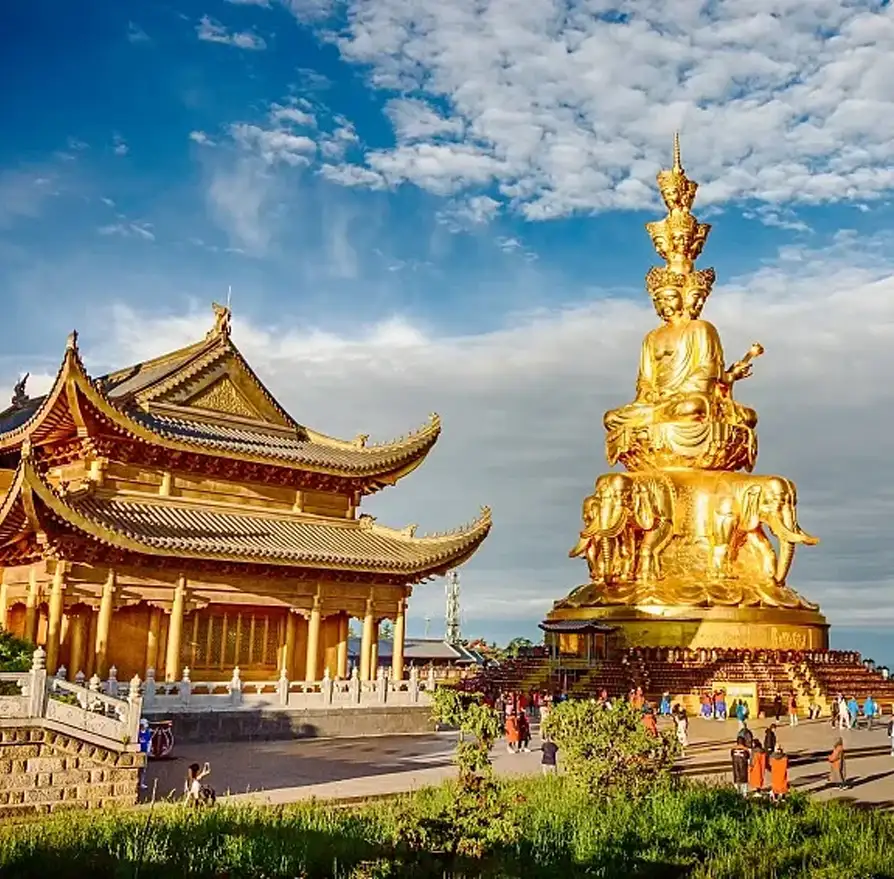
Embarking on a journey along the Sichuan-Tibet line is an experience of a lifetime. Stretching from the lush landscapes of Sichuan to the high-altitude wonders of Tibet, this route offers breathtaking scenery, cultural treasures, and the thrill of adventure. Proper planning is essential to make the most of this journey, ensuring safety, comfort, and unforgettable memories. In this guide, we provide detailed insights and practical advice, including essential notes on Sichuan-Tibet line travel, to help you prepare for your trip.
Understanding the Sichuan-Tibet Line
The Sichuan-Tibet line is one of the most famous and scenic routes in China. It begins in Chengdu, the capital of Sichuan Province, and winds its way through mountains, rivers, and remote towns before reaching Lhasa in Tibet. Travelers can explore snow-capped peaks, deep valleys, and Tibetan culture along the way. The route is also known for its high altitude, making acclimatization and preparation critical.
The journey can be undertaken by train, bus, or private car. While trains provide comfort and stability, traveling by road offers a more flexible and immersive experience. The road trip along this route is renowned for its winding mountain passes, including the legendary Chola and Tanglang La passes, which challenge even experienced drivers.
Best Time to Travel
Timing is crucial for a successful Sichuan-Tibet adventure. The ideal travel period is from May to October, when weather conditions are most favorable. Summer months provide relatively stable temperatures, whereas winter brings heavy snow and potentially hazardous road conditions. Spring offers blooming landscapes, and autumn provides stunning golden vistas. Always check weather forecasts and road conditions before setting out.
Preparing for High Altitude
One of the most important aspects of notes on Sichuan-Tibet line travel is acclimatizing to high altitudes. Many parts of Tibet lie above 4,000 meters, where oxygen levels are significantly lower. Altitude sickness can affect even healthy travelers.
To minimize risks:
- Spend a few days at intermediate elevations before reaching Lhasa.
- Stay hydrated and avoid alcohol or heavy meals initially.
- Consider medication for altitude sickness, after consulting a doctor.
- Take it slow; don’t overexert yourself in the first days.
Proper preparation allows you to enjoy the stunning scenery without being hampered by health issues.
Key Stops Along the Route
Planning your itinerary carefully ensures that you experience the highlights of the Sichuan-Tibet line. Some must-see stops include:
- Chengdu – The starting point offers pandas, Sichuan cuisine, and vibrant city life.
- Kangding – Known for Tibetan culture and beautiful mountain landscapes.
- Tagong Grassland – A peaceful Tibetan plateau offering stunning photography opportunities.
- Litang – Famous for its high-altitude monasteries and horse festivals.
- Basho Valley – Remote and scenic, perfect for trekking and cultural exploration.
- Nyingchi – Known as the “Switzerland of Tibet,” featuring rivers, forests, and peach blossoms.
- Lhasa – The ultimate destination, home to the Potala Palace, Jokhang Temple, and rich Tibetan traditions.
Each stop provides unique experiences, from cultural immersion to natural wonders. Planning sufficient time for each location ensures a fulfilling adventure.
Accommodation and Transportation
When considering notes on Sichuan-Tibet line travel, accommodation and transportation are key. While major cities have hotels ranging from budget to luxury, remote towns may offer limited options, often basic guesthouses or hostels. Booking in advance is highly recommended, especially during peak travel seasons.
Transportation options vary. Private vehicles or guided tours offer flexibility, allowing you to stop at scenic spots at your leisure. Buses are cost-effective but less comfortable for long journeys. Trains provide an alternative, particularly for the Chengdu-Lhasa route, allowing travelers to enjoy high-altitude landscapes from the comfort of a cabin.
Packing Essentials
Proper packing is critical for comfort and safety on the Sichuan-Tibet line. Key items include:
- Warm clothing, as temperatures can drop dramatically at high altitudes.
- Sun protection, including sunscreen, sunglasses, and hats, due to intense UV radiation.
- Comfortable walking shoes for trekking and exploration.
- Travel medications, including remedies for altitude sickness and basic first aid.
- Snacks and water, especially for remote areas with limited services.
- Camera and power banks to capture the incredible scenery.
Being well-prepared allows you to focus on enjoying the journey rather than dealing with unforeseen challenges.
Cultural Considerations
Respect for local customs is vital. Tibet has a rich spiritual heritage, and visitors should be mindful of local traditions. Always ask permission before photographing people or religious sites. Dress modestly in monasteries and avoid loud behavior. Learning a few basic Tibetan or Mandarin phrases can go a long way in building goodwill with locals.
Safety Tips
Traveling the Sichuan-Tibet line involves both remote areas and high altitudes, so safety should be a top priority. Key advice includes:
- Travel with a reliable guide or tour service if you are unfamiliar with the region.
- Keep emergency contacts and identification readily available.
- Be cautious of altitude sickness and monitor your health continuously.
- Avoid traveling at night in remote areas due to road conditions and limited services.
- Ensure your vehicle is well-maintained and equipped with essentials such as spare tires, fuel, and navigation tools.
Safety preparation ensures peace of mind and helps prevent emergencies during the journey.
Sample Itinerary
A balanced Sichuan-Tibet line itinerary might look like this:
- Day 1-2: Explore Chengdu, including pandas and local cuisine.
- Day 3-4: Travel to Kangding and Tagong, enjoying Tibetan culture and landscapes.
- Day 5-6: Visit Litang and Basho Valley for trekking and photography.
- Day 7-8: Arrive in Nyingchi, exploring rivers, forests, and local villages.
- Day 9-11: Reach Lhasa, visiting Potala Palace, Jokhang Temple, and surrounding monasteries.
This plan provides enough time to acclimatize and enjoy each location without rushing. Adjustments can be made depending on travel style and interests.
Final Thoughts
Planning a Sichuan-Tibet line adventure requires careful preparation, from understanding high-altitude challenges to booking accommodations and transportation. By following practical notes on Sichuan-Tibet line travel, you can enjoy breathtaking scenery, immerse yourself in Tibetan culture, and create memories that will last a lifetime. Whether you choose a guided tour or an independent road trip, proper planning ensures a safe, comfortable, and unforgettable adventure along one of the world’s most stunning travel routes.
The Sichuan-Tibet line is not just a journey—it’s an opportunity to experience the heart of Tibet, connect with nature, and explore the resilience of human culture in high-altitude landscapes. Every twist in the road brings new wonders, making this route a must-visit for adventurers seeking both beauty and discovery.