
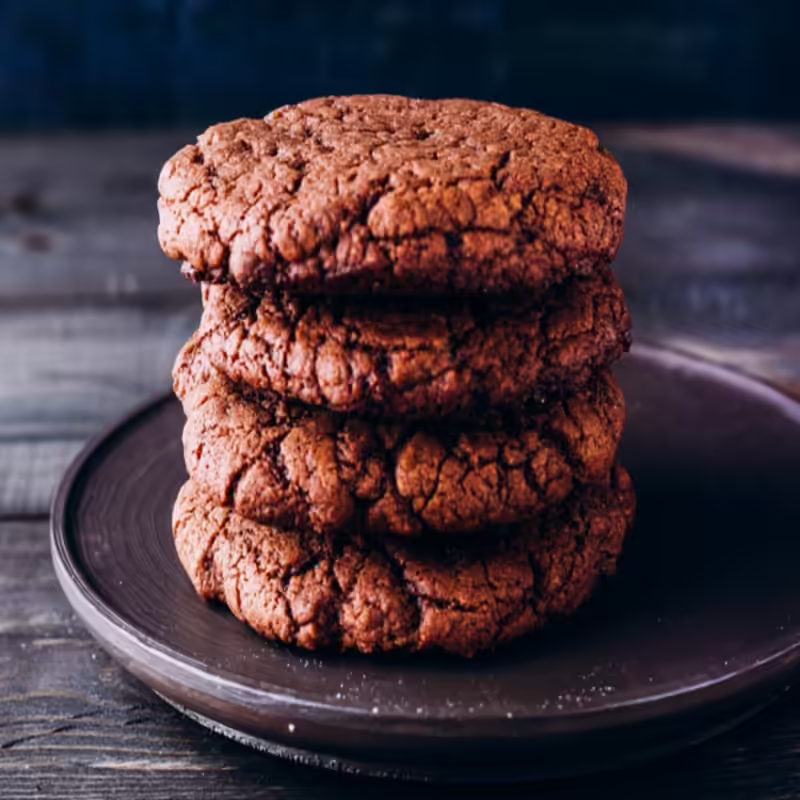
Baking delicious cookies at home can be simple when you understand the small details that affect flavor, texture, shape, and freshness. Whether you prefer soft and chewy treats, crisp edges, or rich and buttery centers, the right techniques can help you achieve consistent results. From selecting quality ingredients to storing the finished treats correctly, every stage of the process matters. With a few practical tips, homemade cookies can become one of the easiest and most enjoyable desserts to prepare.
Choose High-Quality Ingredients
The quality of your ingredients has a direct effect on the final taste. Butter, flour, sugar, eggs, vanilla, chocolate, nuts, and spices all contribute to the overall character of cookies. Fresh ingredients generally provide better flavor and texture.
Butter is especially important because it contributes richness and helps create tender cookies. Unsalted butter is often preferred because it allows you to control the amount of salt in the recipe. If a recipe specifies softened butter, allow it to reach room temperature naturally rather than melting it.
Flour should be measured carefully. Too much flour can make cookies dense, dry, or crumbly. Using a kitchen scale is the most accurate approach, but if measuring with cups, spoon the flour into the cup and level it with a straight edge rather than packing it down.
Understand the Role of Sugar
Sugar does more than make cookies sweet. It also affects color, moisture, spread, and texture. White granulated sugar often encourages crisp edges and a lighter texture, while brown sugar adds moisture and creates a softer, chewier result.
Using a combination of white and brown sugar can provide a balanced texture. Brown sugar also contributes a deeper caramel-like flavor that works particularly well in chocolate chip and spiced cookies.
Avoid changing the amount of sugar dramatically unless you are prepared for changes in texture. Sugar interacts with other ingredients during baking, so reducing it can produce cookies that are less tender and less golden.
Get the Butter Temperature Right
Butter temperature is one of the most important details when making cookies. Softened butter blends effectively with sugar during creaming, helping incorporate air into the dough. This can create a lighter texture.
Melted butter produces a different result. It often creates cookies that spread more and develop a denser, chewier center. Cold butter, meanwhile, may not combine evenly with the sugar.
For recipes that require softened butter, it should be pliable but not greasy or liquid. Proper butter temperature can make a noticeable difference in the shape and consistency of your cookies.
Mix the Dough Carefully
Once flour is added, avoid overmixing the dough. Excessive mixing can develop gluten, resulting in tougher cookies. Mix only until the dry ingredients are incorporated and no large streaks of flour remain.
If your recipe includes chocolate chips, chopped nuts, dried fruit, or other additions, fold them in gently. Even distribution ensures that every cookie contains a pleasant balance of flavors and textures.
For especially tender cookies, handle the dough as little as possible after adding the flour.
Chill the Dough When Needed
Chilling cookie dough can improve both texture and shape. Refrigerating the dough allows the fat to firm up, which can reduce excessive spreading during baking. It can also give the ingredients more time to develop their flavors.
Some recipes require chilling, while others are designed to be baked immediately. If your dough seems unusually soft or sticky, chilling it for 30 minutes or longer may make it easier to handle.
Chilled dough can also produce cookies with thicker centers and more defined edges. When preparing dough in advance, keep it tightly covered so it does not absorb odors from the refrigerator.
Pay Attention to Oven Temperature
An accurate oven temperature is essential for consistent cookies. An oven that is too hot can cause the outside to brown before the center is properly baked. An oven that is too cool may cause excessive spreading and pale results.
Preheat the oven fully before baking. If possible, use an oven thermometer to check whether the actual temperature matches the selected setting.
Bake one test batch first if you are unfamiliar with a recipe. This allows you to determine whether the baking time needs adjustment before using all the dough.
Give Cookies Enough Space
Place cookie dough portions on the baking sheet with enough room for them to spread. Crowding the pan can cause individual cookies to merge together and may interfere with even baking.
Use parchment paper or a suitable silicone baking mat when appropriate. These surfaces can make cookies easier to remove and can help create more consistent results.
For evenly sized cookies, use a cookie scoop or measure the dough portions consistently. Uniform pieces bake at approximately the same rate, preventing some from becoming overdone while others remain underbaked.
Know When Cookies Are Done
Cookies often continue cooking after they are removed from the oven. For this reason, waiting until they look completely firm can result in an overly crisp or dry texture.
For soft and chewy cookies, look for edges that are set and lightly golden while the centers still appear slightly soft. For crisp cookies, allow additional baking time until the centers are more firmly set.
Let the cookies remain on the baking sheet for several minutes after removing them from the oven. They will continue to firm as they cool. Afterward, transfer them to a wire rack to finish cooling.
Add Flavor With Smart Combinations
Classic flavors can be enhanced with simple additions. Vanilla extract provides warmth, while cinnamon, nutmeg, ginger, or cardamom can introduce additional depth.
Chocolate pairs well with sea salt, coffee, nuts, coconut, and dried fruit. Citrus zest can brighten buttery cookies, while toasted nuts provide crunch and a deeper roasted flavor.
When adding strong ingredients, use moderation. The goal is to complement the main flavor rather than overwhelm it.
Keep Cookies Fresh
Proper storage is essential for maintaining texture. Once completely cool, place cookies in an airtight container. Soft cookies can benefit from storage with other soft cookies, while crisp varieties should be protected from moisture.
Avoid sealing warm cookies in a container because trapped steam can make them soggy. Allow them to cool completely first.
If you want to keep cookies for longer, many varieties can be frozen. Place them in a freezer-safe airtight container or bag, separating layers when necessary. Baked cookies can often be thawed at room temperature without losing much of their original quality.
Avoid Common Baking Mistakes
Several simple mistakes can affect the outcome. Incorrect flour measurements, overmixing, skipping necessary chilling, overcrowding the baking sheet, and inaccurate oven temperatures are common causes of disappointing cookies.
Another mistake is changing several ingredients at once. If you want to customize a recipe, make one adjustment at a time so you can understand how it affects the final result.
Pay attention to the appearance of the dough as well as the written instructions. Dough consistency can provide useful clues about whether the ingredients have been measured and mixed correctly.
Make Every Batch More Consistent
Consistency comes from repeating the same successful process. Measure ingredients accurately, use similar dough portions, maintain the recommended oven temperature, and monitor baking time carefully.
Keep notes when experimenting with recipes. Recording changes in flour, sugar, baking time, or chilling time can help you recreate successful results later.
The best cookies combine appealing flavor with the right texture. With careful preparation, attention to ingredient temperatures, proper mixing, and thoughtful storage, you can make reliable homemade cookies that taste fresh and satisfying every time. Whether you enjoy them with coffee, tea, milk, or simply as an afternoon treat, these techniques provide a dependable foundation for better baking.