
Nursing often requires long working hours, and extended shifts can place significant demands on the body and mind. A nurse may spend most of the day standing, walking, assisting patients, documenting care, and responding to urgent needs. When those responsibilities continue for 10 or 12 hours, managing fatigue becomes an important part of the workday.
For nurses looking for a guide for nurses on long shifts, the focus should be on simple strategies that can realistically fit into a busy healthcare environment. Good preparation, comfortable footwear, hydration, nutrition, movement, and recovery can all contribute to a better long-shift experience.
Start With a Pre-Shift Checklist
Before leaving for work, take a few minutes to make sure you have everything you need.
Check that you have:
- Comfortable work shoes
- Your uniform and necessary work items
- A prepared meal
- Convenient snacks
- A water bottle
- Any personal items needed during your shift
Preparing these items in advance can reduce morning stress and prevent you from forgetting something important.
Make Sleep a Priority
One of the most important ways to prepare for a long shift is to get adequate rest beforehand.
A tired nurse may find it more difficult to maintain concentration during an extended workday. Try to protect your sleep time and create a routine that fits your working schedule.
Night-shift nurses may have additional challenges because they need to sleep during the day. A dark, quiet, and comfortable bedroom can help create better conditions for daytime sleep.
Don’t Start the Shift Hungry
Nutrition can influence how you feel during a long workday.
Before leaving home, consider having a balanced meal that fits your dietary needs. Protein, carbohydrates, fruits, vegetables, and healthy fats can all be included depending on your preferences.
If you don’t feel comfortable eating a large meal before work, a smaller meal and a planned snack may be more practical.
Prepare for an Unpredictable Break Schedule
Nursing breaks don’t always happen exactly when planned.
Patient needs and unexpected situations can change the timing of meals and rest. Bringing your own food and snacks gives you more control when the schedule changes.
Choose convenient foods that can be safely stored and eaten during your designated break.
Choose Shoes for the Entire Shift
Footwear should be selected based on how it feels after several hours, not just when you first put it on.
Choose shoes that fit correctly and provide appropriate cushioning and support. Avoid shoes that create pressure points or allow your feet to move excessively inside them.
If your feet consistently hurt after work, reconsider whether your current footwear is providing adequate support.
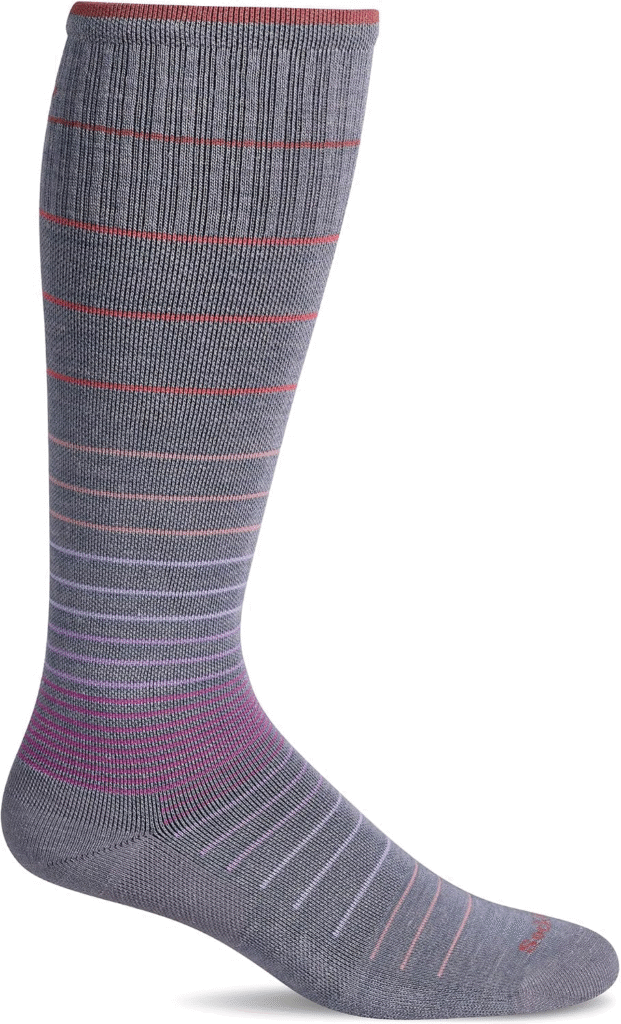
Consider Compression Stockings
Some nurses choose compression stockings for long shifts because they spend many hours standing and walking.
Compression stockings provide graduated pressure along the legs and are available in different compression levels. They may be used for certain types of swelling or leg discomfort.
However, compression garments are not suitable for everyone. Anyone with circulation concerns, unexplained swelling, persistent leg pain, or a relevant medical condition should seek professional advice before using them.
Keep Water Nearby
Hydration is easy to overlook when the shift becomes busy.
When permitted, keep water accessible and use appropriate breaks to drink regularly. Avoid waiting until you’re extremely thirsty before thinking about fluids.
If you have been given individual medical advice about fluid intake, follow that guidance.
Make Your Break a Real Break
A break can be one of the most valuable parts of a long shift.
Instead of immediately using the time to complete more work, use your break to sit down, eat, drink water, and mentally step away from your responsibilities.
Even a short period of genuine rest can help you feel more prepared for the remaining hours.
Move When You Can
Standing and walking are part of nursing, but repetitive tasks can still cause stiffness.
When your responsibilities allow, change positions regularly. Gentle ankle movements, calf stretches, shoulder rolls, and other simple movements may help you stay comfortable.
Don’t force any movement that causes pain, and always prioritize workplace and patient safety.
Pace Yourself
A 12-hour shift is a long period of work. Trying to operate at maximum intensity from the beginning may leave you feeling drained before the shift ends.
Stay organized, prioritize tasks, and work efficiently. Whenever possible, avoid unnecessary physical effort and save some energy for later in the day.
Protect Your Mental Focus
Long shifts can create mental fatigue as well as physical fatigue.
Nurses need to stay attentive, communicate effectively, monitor patients, and respond to changes throughout the shift. Taking appropriate breaks can provide an opportunity to mentally reset.
If you’re feeling overwhelmed, use available workplace support and communicate with your team when appropriate.
Be Careful With Caffeine
Caffeine may be useful for alertness, especially for night-shift workers.
However, drinking too much caffeine can interfere with sleep. Poor sleep can then make future shifts more difficult.
Pay attention to how much caffeine you consume and when you consume it, particularly toward the end of an overnight shift.
Look After Your Feet After Work
After spending hours on your feet, your feet may feel tired or uncomfortable.
When you get home, change into comfortable footwear and allow yourself time to relax. Gentle movement may be helpful for general stiffness, while proper rest remains important.
Persistent or severe foot pain should not simply be ignored.
Give Your Legs Time to Recover
The legs may also need recovery after a long shift.
Comfortable clothing, gentle movement, adequate hydration, and appropriate rest can all be part of your post-shift routine.
If you experience significant swelling, ongoing pain, numbness, weakness, or other unusual symptoms, consider speaking with a healthcare professional.
Protect Recovery Between Shifts
When you have multiple long shifts scheduled close together, recovery becomes even more important.
Prepare food and clothing in advance so that your time away from work can be focused on rest and essential responsibilities.
Don’t feel that every free hour needs to be filled with errands or other activities. Recovery is a necessary part of managing demanding work schedules.
Watch for Excessive Fatigue
Normal tiredness after a long shift is expected. However, severe fatigue may affect concentration and safe performance.
If you feel unable to work safely because of exhaustion, follow your workplace procedures and communicate with the appropriate person.
Dizziness, unusual weakness, confusion, or other concerning symptoms should also receive appropriate attention.
Create Your Own Long-Shift Routine
There is no single routine that works for every nurse.
Some nurses may benefit most from meal preparation, while others may find that better footwear, improved sleep, hydration, or leg support makes the biggest difference.
Start with a few practical habits and adjust them based on your schedule and personal needs.
Long-Shift Habits Worth Keeping
A simple routine may include:
Before work: prioritize sleep, prepare meals, and choose supportive footwear.
During work: hydrate, eat during appropriate breaks, change positions, and manage your energy.
After work: allow time for recovery, eat and hydrate, and protect your sleep.
Between shifts: prepare ahead and avoid unnecessary activities that interfere with recovery.
Final Thoughts
A guide for nurses on long shifts should provide realistic advice rather than suggesting that fatigue can be completely eliminated. Long shifts are demanding, but preparation can make them easier to handle.
Getting adequate sleep, wearing comfortable footwear, staying hydrated, eating balanced meals, taking appropriate breaks, moving regularly, and considering suitable compression support can all contribute to greater comfort.
Nurses dedicate long hours to caring for their patients. Building healthy and practical habits into the workday can help them protect their own well-being while staying focused and prepared from the first hour to the last.