
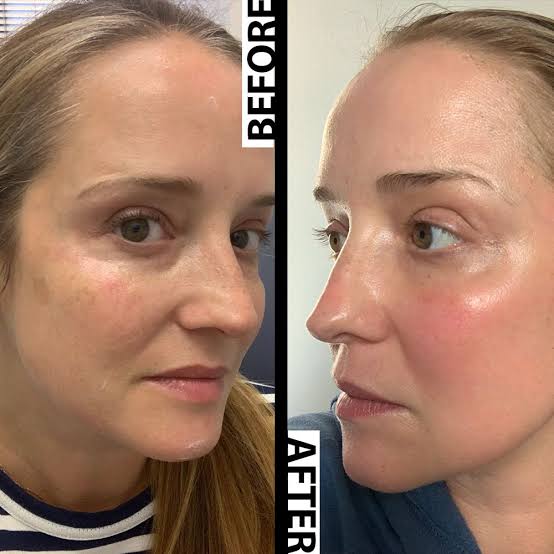
Healthy, youthful-looking skin is something many people want to maintain as they get older. However, concerns such as fine lines, uneven skin tone, acne Laser Skin Resurfacing scars, sun damage, enlarged pores, and rough texture can affect the appearance of the skin. Laser Skin Resurfacing is a popular cosmetic treatment designed to improve these concerns by encouraging the skin’s natural renewal process. It uses controlled laser energy to remove or heat damaged skin and stimulate the production of collagen, helping create smoother and more even-looking skin.
What Is Laser Skin Resurfacing?
Laser Skin Resurfacing is a cosmetic procedure that uses laser technology to improve the appearance and texture of the skin. Depending on the type of laser used, the treatment may remove very thin layers of damaged skin or heat the deeper layers without removing the surface.
The controlled laser energy encourages the skin to repair itself. During this process, collagen production can increase, which may help improve firmness, texture, and overall skin appearance. Treatments can be performed on areas such as the face, neck, chest, and sometimes other parts of the body.
How Does Laser Skin Resurfacing Work?
The procedure works by delivering carefully controlled laser energy to targeted areas of the skin. The energy can address damaged surface cells while stimulating natural skin-repair processes underneath.
There are two main categories of laser resurfacing: ablative and non-ablative. Ablative lasers remove the outer layers of damaged skin and generally provide more dramatic resurfacing, but they may require a longer recovery period. Non-ablative lasers work beneath the surface of the skin while leaving the outer layer largely intact, usually resulting in less downtime.
The most appropriate treatment depends on your skin type, concerns, goals, and the condition being treated. A qualified dermatologist or other appropriately trained medical professional can determine which approach is suitable.
Common Skin Concerns It Can Address
Laser Skin Resurfacing may be used to improve several common cosmetic skin concerns. These include fine lines and wrinkles, uneven skin tone, sun-related skin damage, acne scars, certain other scars, rough skin texture, and enlarged pores.
It may also help improve the overall appearance of dull or uneven-looking skin. However, results vary from person to person, and laser resurfacing does not guarantee complete removal of scars or wrinkles.
Benefits of Laser Skin Resurfacing
One of the major advantages of Laser Skin Resurfacing is its ability to address multiple skin concerns with a targeted treatment. By stimulating collagen and encouraging skin renewal, it can help create smoother and more refined-looking skin.
Potential benefits include improved skin texture, a more even appearance, reduced visibility of some fine lines, improvement in certain scars, and a brighter-looking complexion. Depending on the treatment used, improvements may continue to develop over time as collagen remodeling takes place.
Another benefit is that treatment can often be customized. Different laser technologies and treatment settings can be selected according to the patient’s individual needs.
What Happens During the Treatment?
Before treatment, the skin is usually examined to determine whether laser resurfacing is appropriate. Your provider may discuss your medical history, skin concerns, medications, previous cosmetic treatments, and expectations.
During the procedure, the skin is cleaned and protective measures are used to protect the eyes. Depending on the treatment and intensity, a topical anesthetic or another form of pain control may be used.
The laser device is then passed over the selected treatment area. The duration varies depending on the size of the area and the type of laser being used. Afterward, the skin may appear red or feel warm, similar to the sensation of a mild sunburn.
Recovery and Aftercare
Recovery depends largely on the type and intensity of Laser Skin Resurfacing performed. Mild treatments may involve temporary redness and sensitivity, while more intensive resurfacing can require a longer recovery period.
Following aftercare instructions is important for supporting the healing process. Patients are generally advised to keep the treated area clean and moisturized as recommended by their provider. Sun protection is particularly important because recently treated skin can be more sensitive to sunlight.
Avoiding unnecessary irritation, picking at peeling skin, or using products that your provider has advised you to avoid can also help support proper healing. Your provider should give you specific instructions based on the treatment performed.
When Will You See Results?
Some improvements may become noticeable as the skin heals, but final results generally take time. Collagen remodeling can continue for weeks or months after treatment, depending on the laser technology and individual healing response.
Some people may achieve their desired results after one treatment, while others may require multiple sessions. The number of treatments depends on factors such as the severity of the skin concern, treatment type, and desired outcome.
Is Laser Skin Resurfacing Safe?
When performed by a qualified and experienced professional using appropriate equipment and settings, laser resurfacing can be an effective cosmetic treatment. However, like other procedures, it can have potential side effects.
Temporary redness, swelling, sensitivity, dryness, and changes in skin pigmentation may occur. More significant complications are possible, particularly when treatments are performed inappropriately or when aftercare instructions are not followed.
People with darker skin tones may have a higher risk of certain pigmentation changes with some laser treatments. This makes professional assessment and appropriate laser selection especially important.
Who May Be a Good Candidate?
The best candidates are generally people who have realistic expectations and specific skin concerns that may respond to resurfacing. A professional evaluation is important because not every skin condition should be treated with laser resurfacing.
Certain medications, active skin infections, recent tanning, and some medical or skin conditions may affect whether treatment is appropriate. Always discuss your health history and current medications with your provider before undergoing treatment.
How to Prepare for Treatment
Preparation varies depending on the laser being used. Your provider may recommend avoiding excessive sun exposure and certain irritating skincare products before treatment. They may also provide instructions regarding medications or other procedures.
Do not make changes to prescription medications without professional guidance. A consultation is the best opportunity to discuss your goals and understand the expected benefits, risks, downtime, and costs.
Choosing a Qualified Provider
Selecting an appropriately qualified professional is one of the most important steps when considering Laser Skin Resurfacing. Look for a provider with relevant medical qualifications, experience with laser procedures, and knowledge of different skin types.
During a consultation, ask which laser technology is recommended for your concern, what results are realistic, how long recovery may take, and what potential side effects should be expected. Understanding these factors can help you make an informed decision.
Final Thoughts
Laser Skin Resurfacing can be an effective option for people looking to improve skin texture, tone, scars, fine lines, and signs of environmental damage. By using controlled laser energy to encourage skin renewal and collagen production, the treatment can help create smoother and healthier-looking skin over time.
Because different lasers produce different effects, treatment should always be personalized. A consultation with a qualified professional can help determine whether Laser Skin Resurfacing is appropriate for your skin and what approach may provide the most suitable results.