
Introduction
Wearable technology has become an important part of modern life, helping people monitor daily activity, explore fitness trends, and stay connected with their personal health goals. While smartwatches and fitness bands remain popular choices, smart rings are attracting attention because of their compact designs, lightweight construction, and convenient features. These small devices offer an alternative for people who prefer wearable technology without wearing a traditional watch throughout the day.
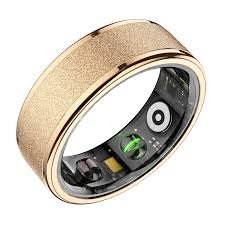
The Colmi R10 smart ring UK is a product worth exploring for consumers interested in the growing smart ring market. It represents the wider movement towards discreet wearable devices designed to fit naturally into everyday routines. Instead of using a large screen or multiple physical controls, a smart ring typically focuses on sensors, smartphone connectivity, and information presented through a companion application.
For UK consumers, choosing wearable technology involves considering several factors, including comfort, battery life, compatibility, available features, and overall value. A smart ring may be particularly appealing to people who want to explore activity tracking without investing in an expensive premium wearable.
This article examines the modern smart ring experience, the potential advantages of the Colmi R10, the features shoppers should investigate before purchasing, and the reasons compact wearable technology continues to attract interest. It also explains how to assess a budget smart ring with heart rate tracking and determine whether this category of device fits your lifestyle.
Understanding the Rise of Smart Rings
What Is a Smart Ring?
A smart ring is a small electronic device designed to be worn on a finger. Although its appearance may resemble an ordinary ring, it can contain sensors and wireless components that collect selected information and communicate with a smartphone.
Depending on the model, smart rings may support features such as heart rate monitoring, sleep tracking, step counting, activity monitoring, or other wellness-related measurements. The exact features vary between products, so shoppers should always check the specifications of the particular model they intend to purchase.
Unlike a smartwatch, a smart ring generally does not rely on a large display. Information is commonly reviewed through a mobile application, allowing the ring itself to remain compact and visually simple.
This design makes smart rings an interesting option for people who prefer subtle accessories. They can complement everyday clothing, professional outfits, and casual activities without drawing as much attention as a screen-based wearable.
Why Are Consumers Interested in Smart Rings?
Convenience is one of the main reasons smart rings are gaining popularity. Many people want to understand their activity levels and daily habits but do not necessarily need another screen on their wrist.
A ring can provide a more discreet approach to collecting selected wellness data. Once connected to a compatible smartphone, it may allow users to review measurements and identify patterns over time.
Another attraction is simplicity. Instead of constantly checking notifications, some users prefer a wearable that collects information in the background. This approach can encourage people to review their activity at convenient times rather than repeatedly interacting with a device.
Affordability also influences purchasing decisions. Premium smart rings can be expensive, making more accessible alternatives appealing to first-time buyers. However, price alone does not determine value. Sensor performance, application quality, durability, and long-term usability are equally important.
Exploring the Colmi R10 Smart Ring UK
A Compact Alternative to Traditional Wearables
The Colmi R10 belongs to the broader category of smart rings designed for consumers interested in compact wearable technology. For shoppers researching the Colmi R10 smart ring UK, the most important consideration is how the device’s documented specifications match their personal requirements.
A smart ring is designed around convenience rather than a large interactive display. This can make it suitable for people who want a wearable accessory that integrates into their daily routine without requiring frequent attention.
For example, someone who walks regularly may be interested in activity information, while another person may prefer monitoring selected wellness measurements throughout the day. People who are curious about their sleep routines may also find wearable tracking useful when the product supports the relevant functions.
Nevertheless, buyers should distinguish between features that are confirmed for the Colmi R10 and features that are available only on other smart rings. Before purchasing, review the manufacturer’s current specification sheet and confirm which sensors, tracking modes, and application functions are included.
Design and Everyday Comfort
Comfort is essential for any wearable device because it affects how consistently someone uses it. A smart ring needs to fit securely without feeling excessively tight or interfering with normal finger movement.
Its overall dimensions, internal shape, weight, and material can influence the wearing experience. A compact design may be attractive to people who find wrist-based devices inconvenient, but the ring must still suit the individual’s finger and daily activities.
Sizing deserves particular attention. Ring sizes can differ between manufacturers, and the size of an ordinary jewellery ring may not correspond perfectly with the requirements of an electronic ring. If the manufacturer provides a sizing guide, use it before placing an order.
A ring that is too loose may move around, potentially affecting sensor contact. One that is too tight may become uncomfortable, particularly when fingers naturally change size during the day.
UK buyers should also examine the product’s material and finish. These details can help determine whether the device suits everyday wear, personal preferences, and the user’s intended activities.
A Practical Approach to Wearable Technology
The appeal of a smart ring lies partly in its ability to fit into ordinary routines. Instead of treating wearable technology as a separate activity, users can make it part of their day.
Someone might review activity information after a walk, examine recorded measurements in the evening, or use available sleep summaries to reflect on bedtime habits. Over time, these observations may help the user recognise routines that support personal wellness goals.
However, the usefulness of this information depends on the quality of the device and its software. Clear data presentation, understandable summaries, and reliable synchronisation can make the difference between a helpful accessory and a product that rarely gets used.
Heart Rate Tracking and Personal Wellness
Why Heart Rate Information Matters
Heart rate is one of the measurements commonly associated with wearable technology. It describes how many times the heart beats per minute and can change in response to movement, exercise, stress, rest, and other factors.
A wearable device that supports heart rate monitoring may help users observe how this measurement changes during different activities. For instance, a person may compare readings taken during quiet periods with those recorded around a walk or workout.
These observations can provide general information about activity patterns, but they should not be interpreted without context. Heart rate varies naturally between individuals and can be affected by many circumstances.
A consumer smart ring is not a substitute for professional medical equipment or advice. Anyone concerned about symptoms or unusual readings should consult a qualified healthcare professional rather than relying exclusively on wearable measurements.
Choosing a Budget Smart Ring With Heart Rate Tracking
A budget smart ring with heart rate tracking can appeal to shoppers who want to explore wearable wellness features without spending heavily on a premium device. However, it is important to assess what the product actually delivers.
First, verify whether continuous heart rate monitoring is available or whether measurements are taken only at selected intervals. These functions are not identical, and the distinction can influence how useful the recorded information is.
Second, investigate the companion application’s reporting features. A ring may collect measurements, but users also need a clear way to view historical records and understand changes over time.
Third, consider measurement consistency. Sensor contact, finger movement, temperature, and activity can affect optical readings. Different devices may also use different algorithms and sampling methods.
Finally, consider whether the device offers the additional functions you want. Some shoppers may value activity tracking, while others may prioritise sleep-related information, battery performance, or straightforward smartphone synchronisation.
The best choice is not necessarily the device with the longest feature list. It is the product whose verified functions are useful, understandable, and reliable enough for the intended purpose.
Understanding the Limitations of Sensor Data
Wearable sensors provide estimates rather than perfect measurements. Readings may vary depending on how securely the device fits, how the sensors contact the skin, and what the wearer is doing at the time.
Movement can make some readings less reliable, particularly during vigorous activity. A poorly fitting ring may also produce inconsistent results.
Users should therefore avoid treating every recorded number as an exact representation of their physical condition. Looking at general patterns over time is often more useful than reacting to one isolated reading.
It is also sensible to check how the application explains its measurements. Helpful software should present information clearly without encouraging unnecessary worry or suggesting that a consumer device can diagnose medical conditions.
Activity Tracking for Everyday Routines
Encouraging More Movement
Activity tracking can help people become more aware of their daily movement. Depending on the Colmi R10’s confirmed functions, users may be able to explore selected activity measurements through its companion application.
For someone with a desk-based routine, activity information may encourage regular breaks and short walks. A person who enjoys walking outdoors might use available tracking features to review general progress.
These small observations can support realistic goals. For example, someone could begin by taking regular walks during the week and then review whether the routine is becoming more consistent.
The important point is that wearable technology should support healthy habits rather than create unnecessary pressure. Missing a daily target does not mean a person has failed, and recorded activity should be interpreted alongside personal circumstances.
Supporting Fitness Awareness
People who exercise regularly may be interested in wearable devices because they provide convenient access to selected measurements. A smart ring can be an additional source of information, although its suitability depends on the type of exercise and the accuracy of its sensors.
During strength training, cycling, running, or other vigorous activities, finger movement and changes in grip may affect comfort or sensor readings. Some activities may also expose a ring to impacts, friction, or equipment-related hazards.
Users should follow the manufacturer’s guidance about wearing the ring during exercise. In some circumstances, removing it may be more comfortable or safer.
For structured athletic training, a dedicated sports watch or chest-based heart rate monitor may provide features better suited to the activity. A smart ring is best assessed according to its intended use rather than assumed to replace every other fitness device.
Sleep Tracking and Daily Habits
Understanding Sleep Patterns
Sleep is another area in which wearable technology may offer useful observations. If a smart ring includes sleep tracking, its application may provide estimates about sleep duration and other recorded patterns.
Such information can help users reflect on their routines. For example, someone may notice that a consistent bedtime corresponds with a more regular sleep schedule, or that late-night activities appear alongside changes in their usual sleep duration.
These patterns can be useful starting points for personal reflection. However, wearable sleep measurements are estimates and should not be treated as equivalent to a clinical sleep assessment.
The availability and detail of sleep tracking should be confirmed for the specific Colmi R10 model before purchase.
Comfort During Overnight Wear
A device intended for overnight tracking must be comfortable enough to wear while sleeping. Weight, shape, sizing, and the ring’s internal construction can all influence this experience.
Some people may quickly become accustomed to wearing a ring overnight, while others may prefer not to wear jewellery in bed. Personal comfort should remain a priority.
Battery life is another important consideration. If the device requires frequent charging, users may find that they miss tracking periods. Checking the manufacturer’s battery claims and understanding how particular features affect battery consumption can help set realistic expectations.
Sleep tracking should ultimately serve as a tool for understanding routines, not a source of stress about achieving perfect numbers every night.
Battery Life and Charging Convenience
Why Battery Performance Matters
Battery life influences the overall convenience of wearable technology. A ring that requires repeated charging may interrupt normal use, while longer operating periods can make it easier to maintain consistent records.
Actual battery performance may depend on monitoring frequency, wireless connectivity, software behaviour, and other settings. Manufacturer estimates should therefore be considered alongside the conditions under which they were measured.
Before purchasing the Colmi R10, verify its stated battery capacity or operating time, charging method, and expected charging duration from reliable product documentation.
It is also worth checking whether the package includes the required charging accessories and whether replacements are readily available.
Creating a Simple Charging Routine
A regular charging routine can help reduce interruptions. Users might choose a convenient time when the ring is not needed, provided the charging schedule matches the manufacturer’s recommendations.
For instance, a person could charge the ring while getting ready for the day or during another predictable period. The goal is to make charging easy rather than another task to remember.
Buyers should also consider the practical implications of charging accessories when travelling. A compact charging arrangement can be useful, but compatibility and availability should be checked before relying on a particular accessory.
Smartphone Compatibility and Companion Applications
The Importance of Software
The smartphone application is a central part of the smart ring experience. Because most rings do not have large displays, the application provides the main way to review measurements, adjust supported settings, and manage recorded information.
A useful application should present information in a clear format and make routine tasks straightforward. Confusing menus, unreliable synchronisation, or unclear explanations can reduce the value of otherwise interesting hardware.
When evaluating the Colmi R10, check the supported mobile operating systems and the minimum software requirements. Do not assume that every Android phone or iPhone will support every feature.
It is also useful to investigate application reviews, update history, privacy information, and any account requirements before buying.
Data Synchronisation and Accessibility
Wireless synchronisation allows a compatible ring to transfer information to a smartphone. The actual process may depend on Bluetooth connectivity, application permissions, and the device’s software.
Users should confirm whether measurements are stored on the ring temporarily, transferred automatically, or synchronised when the application is opened. These details can affect convenience and the possibility of gaps in recorded information.
If access to historical data matters, investigate how the application stores records and whether information can be exported or backed up.
Understanding these details before purchase can prevent disappointment later.
Privacy and Personal Data Protection
Knowing What Information Is Collected
Wearable devices may collect personal information related to activity, heart rate, sleep, and device usage. Some applications may also request account details or permissions needed for specific functions.
Before using a smart ring, read its privacy policy and examine the permissions requested by its companion application.
Pay attention to what information is collected, why it is collected, how long it is retained, and whether it may be shared with third parties. The answers can vary between manufacturers and software providers.
It is wise to avoid granting permissions that are not necessary for the functions you want to use.
Protecting Your Account
If the application requires an account, use a strong, unique password and enable additional security options when available.
Keep the application updated and review its privacy settings occasionally. If the device allows data deletion or account removal, familiarise yourself with those controls.
These practices apply to wearable technology generally and are particularly relevant when a device stores information about daily routines.
Buying the Colmi R10 Smart Ring in the UK
Checking Product Authenticity
UK consumers researching the Colmi R10 smart ring should compare information from the manufacturer’s official channels and reputable retailers.
Product listings may use similar names while describing different models, versions, or packages. Check the model designation carefully and ensure that the advertised specifications correspond to the product being sold.
Look for clear product photographs, a complete description, warranty information, and a transparent returns policy.
If important details are missing, contact the seller before placing an order. This is particularly useful when confirming supported sensors, charging accessories, application compatibility, and water-resistance claims.
Understanding the Total Cost
The advertised price is only one part of the purchasing decision. Shipping fees, return postage, replacement accessories, and warranty arrangements may affect the overall cost.
For UK shoppers, it is useful to check whether the product ships from within the UK or internationally. Delivery times, import-related charges, and the practical process for returning an unsuitable item can differ.
A slightly more expensive listing may offer better value if it provides dependable customer support and clearer consumer protections.
Compare the complete purchase terms rather than focusing exclusively on the lowest advertised figure.
Warranty and After-Sales Support
Electronic devices can occasionally develop faults, so after-sales support matters. Before buying, find out how the seller handles defective products, warranty claims, and replacement accessories.
Check whether the warranty is provided by the manufacturer, the retailer, or another service provider. Also review the conditions that apply to normal wear, accidental damage, and charging components.
UK consumers should familiarise themselves with their applicable statutory rights and the retailer’s published terms. A seller’s warranty does not necessarily replace consumer protections provided by law.
Smart Ring Versus Smartwatch
Differences in Design
Smart rings and smartwatches serve overlapping but different preferences.
A smartwatch generally offers a display, interactive controls, and a broader range of applications. Depending on the model, it may support GPS, notifications, workout modes, music controls, and other functions.
A smart ring usually prioritises compactness and discreet wear. Information is commonly reviewed on a connected phone rather than directly on the ring.
Someone who frequently checks notifications or wants detailed workout displays may prefer a smartwatch. Someone who values a minimal accessory may be more interested in a ring.
Neither design is automatically better. The right option depends on how the person wants to use wearable technology.
Differences in Features and Cost
Feature availability varies widely across both categories. Some smartwatches offer extensive fitness and navigation functions, while certain smart rings concentrate on wellness measurements and everyday tracking.
Price comparisons should account for the complete experience, including the companion application, charging equipment, warranty, and any ongoing subscription fees.
If the goal is to explore basic wearable tracking, a more affordable ring may be sufficient. If the user needs detailed training tools or immediate access to on-screen information, a smartwatch could be more suitable.
The best approach is to identify the essential features first and compare devices against those requirements.
Who Might Benefit From a Smart Ring?
People Interested in Everyday Wellness
A smart ring may appeal to people who want to learn more about their routines and review selected measurements over time. It can provide an accessible way to explore wearable technology without committing to a larger device.
The most useful features will depend on the individual’s priorities. Someone interested in general activity may focus on movement-related information, while another person may value heart rate measurements or sleep summaries if these functions are supported.
First-Time Wearable Technology Buyers
People who have never used a fitness tracker may appreciate the straightforward concept of a ring that works alongside a smartphone.
However, first-time buyers should still learn how the application works, what the measurements mean, and which limitations apply. A simple device can be useful without being suitable for every purpose.
Shoppers With a Limited Budget
Consumers looking for affordable wearable technology should compare the Colmi R10 with other products in the same price category.
A budget-friendly device may offer a useful introduction to smart rings, but the final decision should consider accuracy, durability, comfort, software support, and the availability of replacement accessories.
Paying less initially is not always the best value if the device proves difficult to use or lacks essential features.
How to Get More Value From a Smart Ring
Establish Realistic Goals
Before using a smart ring, decide what you want to learn from it. You might want to understand general activity patterns, become more consistent with daily walks, or review sleep routines.
Choose a small number of relevant measurements rather than trying to monitor everything. This makes the information easier to interpret and reduces the temptation to focus on unnecessary statistics.
Review Trends Instead of Individual Readings
Measurements can fluctuate naturally throughout the day. Looking at broader patterns may provide a more balanced understanding than reacting to every change.
For example, a single night’s sleep estimate may not represent a person’s overall sleep habits. Reviewing several weeks of information, while considering changes in routine, can provide a more useful perspective.
Keep the Device Clean and Properly Fitted
Follow the manufacturer’s instructions for cleaning, handling, and charging the ring. Avoid exposing it to conditions beyond its documented limits.
Check the fit regularly and stop wearing the device if it causes discomfort or irritation. Also review the manufacturer’s advice regarding water exposure, exercise, and contact with cleaning products.
These simple practices can support a more comfortable and dependable experience.
The Future of Wearable Ring Technology
Smart rings illustrate a wider trend towards technology that integrates into everyday objects. As sensors, batteries, and wireless components continue to develop, wearable devices may become more compact and convenient.
Future products may offer improved measurement consistency, more informative applications, and better integration with other digital wellness tools. However, improvements will depend on individual manufacturers and products rather than occurring uniformly across the market.
Privacy will remain an important consideration as wearable devices collect more personal information. Clear explanations, sensible data controls, and responsible software design will help consumers make informed choices.
Affordability is also likely to remain important. Accessible products can introduce more people to wearable technology, provided their capabilities are presented honestly and their limitations are clearly explained.
For consumers, the most meaningful development will not necessarily be the addition of more features. It will be the creation of devices that are comfortable, reliable, easy to understand, and genuinely useful in everyday life.
Conclusion
The Colmi R10 smart ring UK is worth considering as part of the broader interest in compact and accessible wearable technology. Smart rings offer an alternative to traditional wrist-based devices by emphasising discreet design, smartphone connectivity, and selected personal wellness measurements.
For shoppers exploring a budget smart ring with heart rate tracking, the most important factors include verified sensor capabilities, comfort, battery performance, application compatibility, privacy, and overall cost. These details help determine whether a particular product offers meaningful value beyond its initial price.
The Colmi R10’s suitability ultimately depends on its confirmed specifications and how well those features match an individual’s needs. Buyers should verify the manufacturer’s documentation, compare reputable UK retailers, and review warranty and return conditions before making a decision.
Wearable technology works best when it supports realistic goals rather than replacing personal judgement. Used thoughtfully, a suitable smart ring can help people explore their routines, reflect on everyday activity, and become more informed about their personal wellness habits. The best device is the one that combines practical functionality with dependable performance, comfortable wear, and a price that makes sense for the user.