
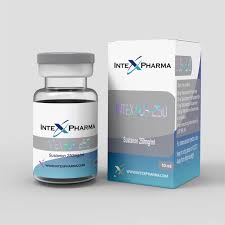
The pharmaceutical industry plays an important role in modern healthcare, making access to accurate and trustworthy product information essential for consumers. When people research medicines, supplements, or other pharmaceutical products, they need more than attractive descriptions or promotional claims. They need reliable information about quality, ingredients, manufacturing practices, labeling, safety, and authenticity. This is where responsible research becomes especially important. Intexpharma can be considered within this broader context of evaluating pharmaceutical information and understanding what makes product details meaningful and trustworthy.
Quality, transparency, and verification are three important principles that can help consumers make better-informed decisions. Each one addresses a different part of the research process, but together they provide a stronger foundation for evaluating pharmaceutical products. Rather than relying on assumptions or advertisements alone, consumers should learn how to examine available information carefully and identify credible sources.
Why Pharmaceutical Product Quality Matters
Quality is one of the first factors consumers should consider when researching any pharmaceutical product. Quality can involve the ingredients used, manufacturing processes, storage conditions, packaging, consistency, and adherence to applicable standards. A product that appears appealing on the surface may still require careful evaluation before a consumer considers using it.
Quality information should ideally be supported by clear documentation and responsible manufacturing practices. Product labels can provide useful details such as active ingredients, inactive ingredients, dosage information, batch details, expiration dates, storage instructions, and manufacturer information. Reviewing these details can help consumers understand exactly what a product is intended to contain.
When researching Intexpharma, readers should avoid assuming that a brand name alone establishes product quality. Instead, they should examine the information available from appropriate and authoritative sources. The goal is not simply to find positive descriptions but to determine whether the available evidence is sufficiently clear and credible.
Looking Beyond Marketing Claims
Marketing materials are designed to attract attention, so consumers should distinguish promotional language from verifiable information. Statements suggesting that a product is highly effective, superior, completely safe, or suitable for everyone should be examined carefully.
Responsible pharmaceutical research involves asking what evidence supports a claim. Is the information based on recognized documentation, product testing, regulatory information, or merely a promotional statement? Understanding this difference can help readers avoid making decisions based solely on persuasive language.
Transparency Builds Consumer Confidence
Transparency is another important element of pharmaceutical product research. Consumers deserve access to understandable information about what a product contains, who manufactures it, how it should be used, and what limitations or precautions may apply.
Transparent information should not hide important details behind vague terminology. Clear labeling and accessible product information make it easier for consumers to compare options and recognize potentially important differences between products.
For Intexpharma and similar pharmaceutical information searches, transparency can be assessed by looking at how clearly product details are presented. Readers can examine whether the available information identifies ingredients, manufacturer details, packaging information, usage directions, warnings, and other relevant specifications.
The Role of Clear Labeling
Labels are among the most useful resources available when evaluating pharmaceutical products. A properly presented label can help consumers identify the product, understand its intended purpose, check ingredient information, and review relevant warnings.
Consumers should pay attention to spelling, formatting, batch or lot information, expiration dates, packaging quality, and consistency between different parts of the product presentation. Unexpected inconsistencies may justify additional verification before proceeding.
Verification Helps Reduce Uncertainty
Verification is the process of checking whether product information is accurate, authentic, and supported by reliable evidence. It is particularly important when pharmaceutical products are researched online, where information can come from manufacturers, retailers, independent websites, social media accounts, forums, and advertisements.
Not every online source has the same level of reliability. Consumers should therefore compare information across credible sources instead of accepting the first result they encounter.
Verification can include checking official product documentation, regulatory databases where applicable, manufacturer information, recognized healthcare resources, and professional advice. If there are questions about a medicine’s suitability, interactions, dosage, or potential risks, a qualified healthcare professional should be consulted.
Checking Product Authenticity
Authenticity is an important part of verification. Counterfeit or improperly stored pharmaceutical products can create significant concerns, making it important to purchase products through legitimate and reputable channels.
Consumers should examine packaging carefully and look for appropriate product identifiers, manufacturer details, expiration information, and other relevant markings. If packaging appears damaged, altered, inconsistent, or suspicious, further verification may be appropriate before use.
Responsible Online Research
The internet has made pharmaceutical information easier to access, but convenience does not automatically mean reliability. Search engines can produce thousands of results, including accurate educational resources and unsupported claims.
When researching Intexpharma, readers can develop a structured approach. First, identify the exact product and its purpose. Next, review the official product information and labeling. Then compare important details with independent, authoritative healthcare or regulatory resources. Finally, seek professional guidance when the decision involves personal medical circumstances.
This approach encourages consumers to become informed readers rather than passive recipients of marketing messages.
Understanding the Limits of Product Information
Even detailed product information cannot answer every question for every individual. Pharmaceutical products may affect people differently depending on factors such as age, existing medications, allergies, medical history, and other circumstances.
For this reason, general online information should not be treated as a substitute for personalized medical advice. Product research is useful for understanding available information, but healthcare professionals remain important sources of guidance when an individual decision involves medical considerations.
Comparing Information Carefully
Comparison can also improve research quality. Instead of focusing on one attractive feature, consumers can compare ingredients, labeling, manufacturer information, intended use, warnings, storage requirements, and available evidence.
A balanced comparison makes it easier to identify meaningful differences and avoid exaggerated expectations. It also encourages readers to consider the complete product profile rather than focusing on price or promotional claims alone.
The Importance of Reliable Sources
Reliable sources provide a foundation for responsible pharmaceutical research. Government health agencies, recognized regulatory organizations, qualified healthcare professionals, established medical references, and official manufacturer documentation can offer more dependable information than anonymous online posts.
When information conflicts, consumers should investigate the source and determine which information is supported by stronger evidence. A confident statement is not necessarily a credible statement. Source quality matters just as much as the information itself.
Making More Informed Decisions
The purpose of researching pharmaceutical products is not to create unnecessary confusion. Instead, good research should make decisions more informed and deliberate. Quality helps consumers understand what standards and characteristics to look for. Transparency helps them access important product details. Verification helps confirm whether those details are credible and authentic.
Intexpharma can therefore be approached as part of a broader consumer research process in which readers examine pharmaceutical information carefully. Rather than relying on a single review, advertisement, or product description, consumers can build an understanding based on multiple credible sources.
Conclusion
Quality, transparency, and verification are essential principles for anyone researching pharmaceutical products. Quality focuses attention on manufacturing, ingredients, consistency, and standards. Transparency encourages clear and complete product information. Verification provides an additional layer of confidence by helping consumers confirm authenticity and accuracy.
Whether researching Intexpharma or another pharmaceutical product, consumers can benefit from taking a careful and evidence-focused approach. Reading labels, checking credible sources, comparing information, recognizing marketing language, and consulting qualified healthcare professionals when necessary can all contribute to better-informed decisions. In an industry where accurate information can have significant consequences, responsible research is an important part of consumer awareness.