
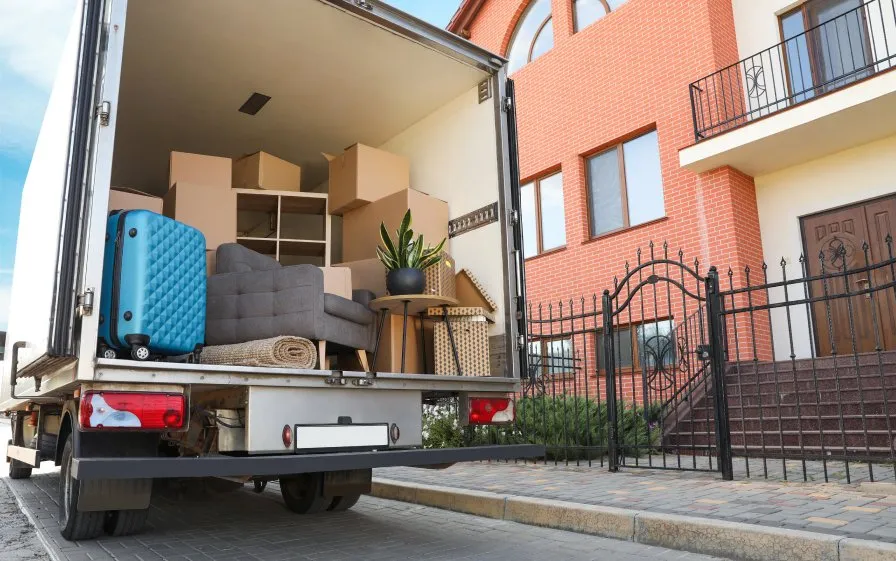
Household appliances are some of the most valuable and functional items in any home. Refrigerators, washing machines, dryers, ovens, microwaves, and dishwashers represent a significant investment, and moving them incorrectly can result in costly damage or reduced performance. Proper preparation before moving day helps protect these appliances while making transportation safer and more efficient. Choosing Flyttfirma Stockholm can simplify your relocation while allowing you to focus on preparing your appliances correctly before they are transported.
Unlike furniture or boxed household goods, appliances often require cleaning, disconnecting utilities, securing moving parts, and allowing sufficient time for preparation. Rushing through these steps may cause leaks, scratches, electrical issues, or mechanical damage. A well-organized plan ensures that every appliance arrives at your new home ready for installation and use.
Whether you’re moving from a small apartment or a large family home, following the proper procedures can extend the lifespan of your appliances and reduce unnecessary moving stress.
Create an Appliance Checklist
Begin by listing every appliance that will be moved.
Examples include:
- Refrigerator
- Freezer
- Washing machine
- Clothes dryer
- Dishwasher
- Oven
- Microwave
- Wine cooler
A checklist helps ensure nothing is forgotten.
Read Manufacturer Instructions
Different appliances have different moving requirements.
Review user manuals for information about:
- Transportation guidelines
- Safety precautions
- Cleaning recommendations
- Reinstallation instructions
Following manufacturer guidance helps prevent accidental damage.
Disconnect Utilities Safely
Before moving day, disconnect all utility connections.
These may include:
- Electricity
- Water supply
- Gas lines
If you’re unsure how to disconnect certain appliances safely, seek professional assistance.
Empty Every Appliance
Remove all contents before transportation.
Examples include:
- Food from refrigerators
- Laundry from washing machines
- Dishes from dishwashers
- Accessories from ovens
Empty appliances are lighter and easier to handle.
Defrost the Refrigerator and Freezer
Turn off refrigerators and freezers at least 24 hours before moving.
Allow enough time for:
- Ice to melt
- Water to drain
- Interior surfaces to dry completely
This helps prevent leaks and unpleasant odors.
Clean Appliances Thoroughly
Clean both the inside and outside of every appliance.
Pay attention to:
- Shelves
- Drawers
- Filters
- Door seals
- Vents
A clean appliance is ready to use immediately after installation.
Secure Doors and Shelves
Remove or secure loose parts before transportation.
Use:
- Packing tape
- Stretch wrap
- Soft padding
Protect removable shelves by wrapping them separately if necessary.
Protect Power Cords
Wrap electrical cords neatly and secure them to the appliance using soft ties or tape.
Keeping cords organized prevents damage during loading and unloading.
Secure Washing Machine Drums
Many washing machines require transit bolts to stabilize the drum during transportation.
Consult the manufacturer’s instructions if transit bolts are available.
Proper stabilization helps protect internal components.
Wrap Appliances for Protection
Use protective materials such as:
- Moving blankets
- Bubble wrap
- Stretch wrap
- Foam corner protectors
These materials help prevent dents, scratches, and dust accumulation.
Measure Doorways and Hallways
Before moving large appliances, measure:
- Interior doors
- Exterior doors
- Hallways
- Staircases
- Elevators
Knowing the available space helps prevent unnecessary delays.
Load Appliances Correctly
Place appliances in an upright position whenever possible.
Secure them inside the moving vehicle to prevent shifting during transportation.
Avoid placing heavy objects on top of delicate appliances.
Allow Appliances to Settle
After arriving at your new home, allow certain appliances, especially refrigerators, to remain upright for several hours before connecting them to power.
This allows internal fluids to settle properly.
Inspect Before Installation
Before reconnecting appliances, inspect them for:
- Scratches
- Loose connections
- Damaged hoses
- Broken handles
- Dents
Addressing issues early helps prevent future problems.
Test Every Appliance
After installation, verify that each appliance functions correctly.
Check:
- Cooling performance
- Water connections
- Heating elements
- Electrical operation
Testing immediately allows you to identify any concerns while they’re easier to resolve.
Common Appliance Moving Mistakes
Avoid these common mistakes:
- Forgetting to defrost the refrigerator.
- Moving appliances without cleaning them.
- Leaving shelves unsecured.
- Dragging heavy appliances across floors.
- Ignoring manufacturer instructions.
- Plugging refrigerators in immediately after transportation.
Careful preparation protects both your appliances and your new home.
Frequently Asked Questions
How early should I defrost my refrigerator?
At least 24 hours before moving to allow all ice to melt and the interior to dry completely.
Should appliances be transported upright?
Yes. Most major appliances should remain upright to protect internal components.
Why should washing machines be secured before moving?
Stabilizing the drum helps prevent damage to internal mechanisms during transportation.
Can I reconnect appliances immediately after arriving?
Some appliances, particularly refrigerators, should remain upright for several hours before being powered on.
Final Thoughts
Preparing household appliances properly before moving is one of the best ways to protect your investment and avoid unnecessary repairs. By cleaning every appliance, disconnecting utilities safely, securing loose components, and following manufacturer recommendations, you can ensure that everything arrives in excellent condition.
A well-planned appliance move saves time during installation and allows you to settle into your new home more comfortably. With careful preparation and attention to detail, your appliances will continue serving your household efficiently for many years after the move.