
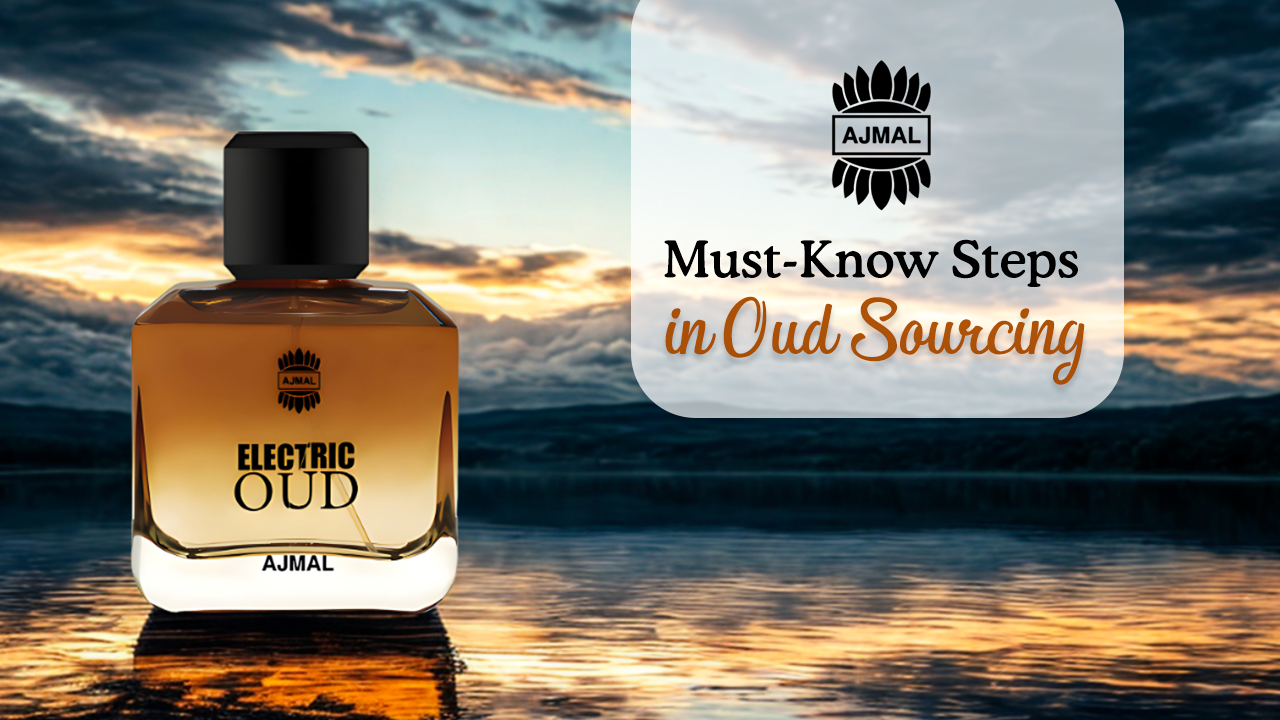
People who experience pure oud for the first time must understand they work with a rare biological creation which requires multiple decades to develop. The oud supply chain requires about 15% to 20% of its total volume which consists of active perfume oils in standard 100ml bottles of floral perfume. A single drop of high-grade oud oil maintains its scent for more than 24 hours because of its extreme concentration.
The oud sourcing process requires people to wait through extended periods of time because it involves essential elements. The Aquilaria tree needs between 15 to 20 years before it starts producing the resin called oud which can be harvested for use. The guide presents all necessary steps for tracking oud sourcing which enables you to see the authentic craftsmanship used in creating each spray.
1. Identifying the Source: Wild vs Cultivated Oud
The first of the oud sourcing steps is determining the origin of the wood. For centuries, hunters trekked into deep jungles for wild vs cultivated oud. Wild oud is the “Holy Grail” formed over 50+ years due to random lightning strikes or insect burials. However, because only about 1 in 10 wild trees naturally produce the resin, this method is no longer viable for a global market.
Today, sustainable oud sourcing relies on managed plantations. Here, agarwood sourcing methods involve “inoculating” the trees essentially a controlled induction of the oud resin formation process using organic stimulants.
- Ajmal Best: Dahn Al Oudh Moattaq
The Ajmal Best Dahn Al Oudh Moattaq is a masterpiece that utilizes these premium sources. It features a blend of aged Indian and Cambodian oud, offering a profile that mimics the depth of ancient wild harvests.
- Keynotes: Indian Oud, Turkish Rose, Exotic Herbs, and Musk.
- Best For: Connoisseurs who appreciate a “vintage” feel.
- Why Choose: It offers a multi-layered complexity that stays “alive” on the skin for nearly a full day.
2. Ethical Harvesting and The Supply Chain
Once the resin has matured, ethical oud harvesting begins. You need to understand that forest areas cannot face instant removal through cut-down methods. The oud trade needs to follow CITES regulations because these regulations serve as international standards for protection. Ajmal implements agarwood sustainability practices as essential components of its operations which have resulted in the planting of more than 10 million trees to safeguard wild species from extinction.
| Feature | Wild Oud Sourcing | Sustainable Plantation Sourcing |
|---|---|---|
| Average Tree Age | 50 – 100 Years | 15 – 20 Years |
| Resin Yield % | ~10% (Random) | ~90% (Inoculated) |
| Traceability | Low/Difficult | High (QR Code Tagging) |
| Extraction Ratio | ~10,000kg wood : 1L oil | ~10,000kg wood : 1L oil |
| Environmental Impact | Potential Depletion | Regenerative / Carbon Neutral |
- Ajmal Best: Amber Wood
If you find pure oud too heavy, the Ajmal Best Amber Wood from the W Series is your gateway. It uses natural oud sourcing techniques to blend deep woodiness with warm amber.
- Keynotes: Cardamom, White Pepper, Oud, and Cedarwood.
- Best For: Evening wear and formal winter events.
- Why Choose: It provides a “beast mode” projection without being overpowering.
3. The Extraction: Turning Wood into Oil
The agarwood harvesting techniques involve meticulously scraping away the “white” healthy wood to reveal the dark, resin-soaked heartwood. This wood is then ground and subjected to steam distillation. This is where oud quality grading occurs; the “first pull” or Grade AAA oil is the most potent, containing the highest concentration of sesquiterpenes.
- Ajmal Best: Oudesire
The Ajmal Best Oudesire showcases the lighter, more “golden” side of this extraction. The atmosphere of this place brings together two different worlds which create an aristocratic environment that resembles a palace under full sunlight.
- Keynotes: The main elements of this composition include Rose and Jasmine and Musk and Amber-Oud.
- Best For: Daytime luxury and professional meetings.
- Why Choose: It bridges the gap between traditional Middle Eastern scents and modern French perfumery.
4. Quality Grading and Traceability
In the world of natural oud sourcing, oud origin and traceability are everything. The oud from Assam in India shows an intense earthy character, while Cambodian oud varieties produce a sweeter taste. The experts use density measurements to evaluate oud quality, with the highest-grade wood called “Sinking Grade” because its oil content prevents it from floating. This rigor ensures a responsible oud trade that rewards quality over quantity.
- Ajmal Best: Mukhallat Rashid
For those seeking the pinnacle of oud origin and traceability, the Ajmal Best Mukhallat Rashid is a traditional blend that puts the raw oil front and center.
- Keynotes: Aged Oud Oil, Rose, and Spicy Oriental Accords.
- Best For: Traditional gatherings and weddings.
- Why Choose: It uses a high concentration of natural oils, making it a “skin scent” that evolves beautifully over 12 hours.
5. Curing and Aging: The Final Polish
The final step in the oud sourcing process is aging. Newly extracted oil products maintain an intense taste. The oil requires aging in glass or stainless-steel containers for multiple months or years to create a silky and smooth texture. The process enables the fragrance to undergo “settling” which ensures that the Ajmal Best perfume maintains its full harmonious and rich scent profile when sprayed.
- Ajmal Best: Aristocrat
The Ajmal Best Aristocrat shows how traditional oud becomes productable in modern times through its aged oud base. The fragrance presents a refined and pure scent experience which contains elements from different time periods.
- Keynotes: The fragrance contains four main elements which include Citrus Water Lily Musk and Amber-Oud.
- Best For: The perfume serves best to both genders who seek a strong “signature” fragrance which they can wear at work.
- Why Choose: The product delivers outstanding fragrance duration which allows it to remain effective from morning until nighttime.
Frequently Asked Questions
How long does the oud resin formation process take?
In a sustainable plantation, it takes approximately 15 to 20 years for a tree to reach maturity and the resin requires additional 3 to 5 years to develop completely after the tree receives inoculation.
Is wild oud better than cultivated oud?
Wild oud has a unique “soul” due to its age there yet cultivated oud provides more consistent results while helping to maintain agarwood production methods.
What determines oud quality grading?
The quality of oud products receives evaluation through three specific criteria which include resin density measurement and color assessment and terpene content determination in distilled oil samples.
Why does my oud perfume change scent throughout the day?
The scent of my oud perfume keeps changing because natural oud interacts with both my skin temperature and pH levels to create an evolving scent which reaches its peak after eight hours.
How does Ajmal ensure a sustainable oud supply chain?
Ajmal achieves sustainable oud supply chain management through its control of plantations and implementation of solar-powered distillation systems that operate as closed loops to decrease water and energy consumption.
Final Words on Oud Sourcing
The Must-Know Steps in Oud Sourcing process creates new ways for you to experience a fragrance. The entire process from oud resin formation to final curing requires multiple decades of organic development and human effort to create each bottle. Ajmal supports sustainable oud sourcing and responsible oud trade to preserve this “liquid gold” for coming generations. The Ajmal Best Amber Wood and Aristocrat scents offer you more than just a perfume purchase because they continue a 2,000-year-old tradition of natural oud extraction which values both nature and the person who wears it.