
Introduction
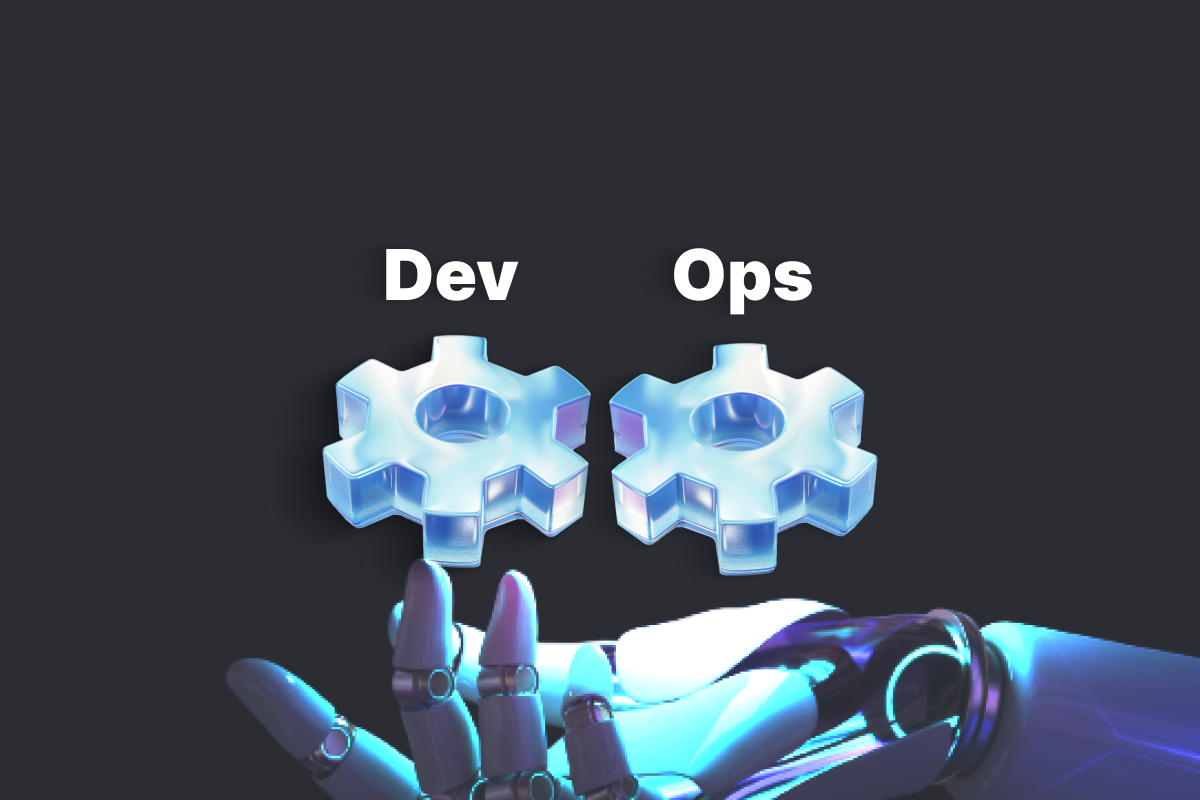
Think of DevOps as a bustling train station where every arrival, departure, and track change must align with clockwork precision. The trains are applications, the passengers are data, and the conductors are engineers ensuring nothing goes off schedule. Now imagine introducing artificial intelligence into this station—not as another worker, but as an invisible force that predicts delays, reroutes traffic, and prevents breakdowns before they occur. This is what AI-powered DevOps feels like: an orchestration where the unseen hand of machine learning ensures seamless operations with fewer human interventions.
Predicting Breakdowns Before They Happen
In traditional IT, identifying a potential system failure is akin to listening for unusual noises in an engine and hoping to catch a problem before it worsens. AI transforms this guesswork into science. By analysing vast streams of log files, performance metrics, and error patterns, machine learning models detect anomalies far earlier than human operators could. Picture an AI system flagging a memory leak hours before it brings down a payment gateway. Such foresight doesn’t just reduce downtime; it builds trust. For students in a DevOps Course in Chennai, learning how predictive analytics integrates with pipelines provides them with future-ready skills that industries increasingly demand.
Automating Repetitive Operations
Every DevOps team faces the grind of repetitive tasks—deployments, monitoring, scaling, and patching. It’s like a chef peeling hundreds of potatoes before cooking the main dish. Necessary, but mind-numbing. AI lightens this burden by automating routine operations. Intelligent bots can push code updates, scale servers up or down based on demand, and run regression tests without human initiation. This frees engineers to focus on more complex and creative challenges—such as designing architectures that can handle sudden traffic spikes or exploring hybrid cloud strategies. Institutions that embed these practices into their training, such as a DevOps Course in Chennai, help learners appreciate how automation boosts both productivity and innovation.
Smarter Incident Management
Crises in IT often resemble sudden storms. Alarms ring, dashboards flash red, and engineers scramble to identify the root cause. AI steps in as the storm forecaster, correlating thousands of alerts, narrowing down the root issue, and even recommending solutions in real time. For example, an AI-driven platform might pinpoint that a spike in latency isn’t due to the database itself but to a poorly optimised query introduced in the last deployment. Instead of hours of manual firefighting, resolution becomes swift and data-driven. This precision ensures teams move from reactive firefighting to proactive orchestration.
The Role of Continuous Learning
AI doesn’t just execute; it learns. Every alert resolved, every successful deployment, and every anomaly investigated becomes part of a growing intelligence pool. Over time, the system evolves, recommending faster fixes, improving release quality, and reducing false positives. Imagine an apprentice who never forgets a lesson, who applies every past error to prevent future ones—AI embodies this apprentice role in the DevOps ecosystem. This capacity for self-improvement keeps operations efficient even as complexity increases, proving indispensable in environments where agility is the key to success.
Human Creativity Meets Machine Intelligence
It’s important to remember that AI isn’t replacing human engineers; it’s extending their reach. Think of it as a co-pilot in a jetliner—handling turbulence, monitoring systems, and leaving the captain free to make strategic calls. Human creativity continues to drive innovation, as evidenced by the design of new features, the envisioning of architectures, and the alignment of technology with business goals. AI ensures that while the creative minds innovate, the invisible machinery keeps systems reliable, scalable, and secure. The future belongs not to humans or machines alone, but to their collaboration.
Conclusion
AI-powered DevOps is more than a buzzword—it is a paradigm shift. From predicting failures to automating operations, streamlining incident management, and evolving through continuous learning, artificial intelligence is redefining how technology teams function. The metaphorical train station becomes a self-regulating ecosystem, where schedules adapt dynamically, delays are anticipated, and efficiency soars. For those stepping into this field, mastering AI-enhanced DevOps is like gaining a front-row seat to the future of operations. As the landscape becomes increasingly complex, those equipped with both practical knowledge and visionary insight will be the ones to ensure the trains of digital transformation always run on time.